

Published on June 15, 2026
Read Time: 4 Minutes
Three Things to Know
- In 1970, Carol Baker delivered her son, Tony, 7 weeks early at Phelps County Memorial Hospital.
- At the time, newborn care looked very different, and Carol was unable to hold her son for the first several weeks of his life.
- Tony ultimately thrived, and Carol’s experience highlights how much maternity and newborn care has evolved.
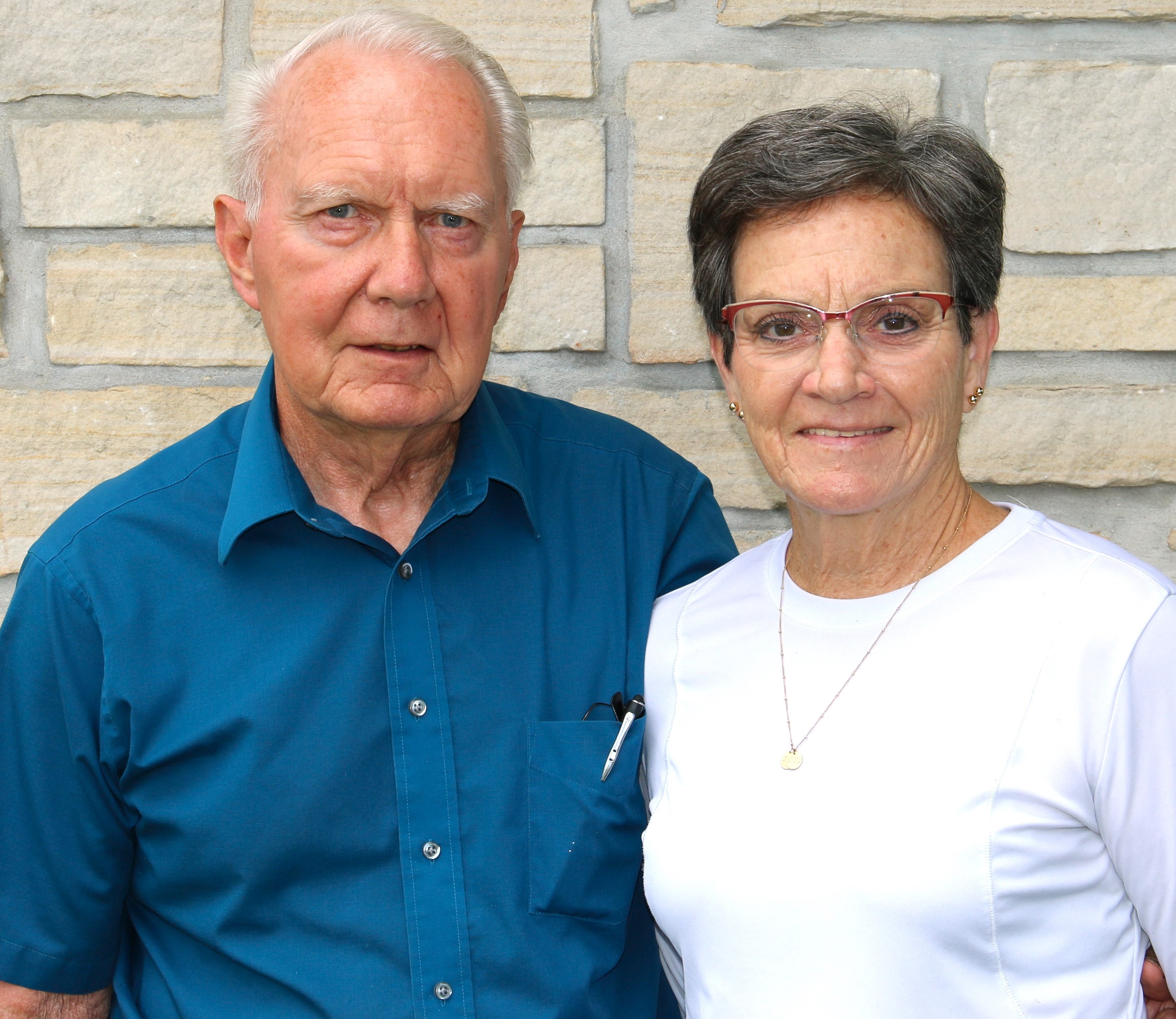
On a warm June morning in 1970, 19-year-old Carol Baker left an appointment with her doctor, D. F. Andreassen, MD, at his office in Rolla. She went about her day, excited to welcome her first child in 2 months. Later that afternoon, though, she experienced back pains unlike the typical aches and pains of pregnancy. When they began coming at regular intervals, Carol called Dr. Andreassen and rushed to Phelps County Memorial Hospital (now Phelps Health). Just 5 hours later, she delivered her son, Tony, 7 weeks early.
“Things were different then,” Carol remembered. “I was so scared. It was my first pregnancy, and they didn’t allow fathers or any support people in the delivery room. I knew it was too soon.”
After Tony was born, he was placed immediately into an isolette machine (a small enclosed crib that protects newborns and keeps them warm) to stabilize his temperature. There was no chance for mother-infant bonding.
“I couldn’t hold my baby like other mothers,” Carol said.
Tony weighed just 4 pounds, 12 ounces, and Dr. Andreassen knew he needed special care. He called pediatric specialist Barbara Russell, MD, known in the community for her skill with fragile newborns. Dr. Russell told Carol and her husband, Larry, that the first 48 hours were critical—and cautioned them not to get their hopes up yet.
The next 2 days were nerve-racking for Carol—but when the crucial 48 hours passed, Dr. Russell declared Tony would be fine. She expected him to be smaller than average and slower to develop, she told the new parents, but medically, Tony’s health was sound.
Dr. Russell checked on Tony at the Hospital every day. The critical 48-hour period had passed, but Carol still hadn’t been able to hold her newborn.
“There were no private rooms then,” Carol explained, “just a maternity ward that had about four of us in one big room. It was really hard for me when the nurses would bring the other babies in for their mothers to hold, but not mine.”
After 4 days, Carol was discharged, but Tony remained in the Hospital’s nursery. The new parents returned to the Hospital every day, watching their baby through the nursery window. Still in an incubator and too small to be held, Tony needed to reach 5 pounds before he could go home.
“That was really difficult, going home and leaving my baby at the Hospital,” Carol said. “You understand that everything they’re doing is for the good of the baby, but it hurts a mother’s heart.”
Finally, when he was 3-1/2 weeks old, Tony made it to 5 pounds, and Carol was able to hold her newborn for the first time.
“The night before we brought him home, they let us go in,” she reminisced. “That was the first time I held him or fed him. I think the nurses were a little sad when he left. They were so good with him and got attached because he was there for so long.” 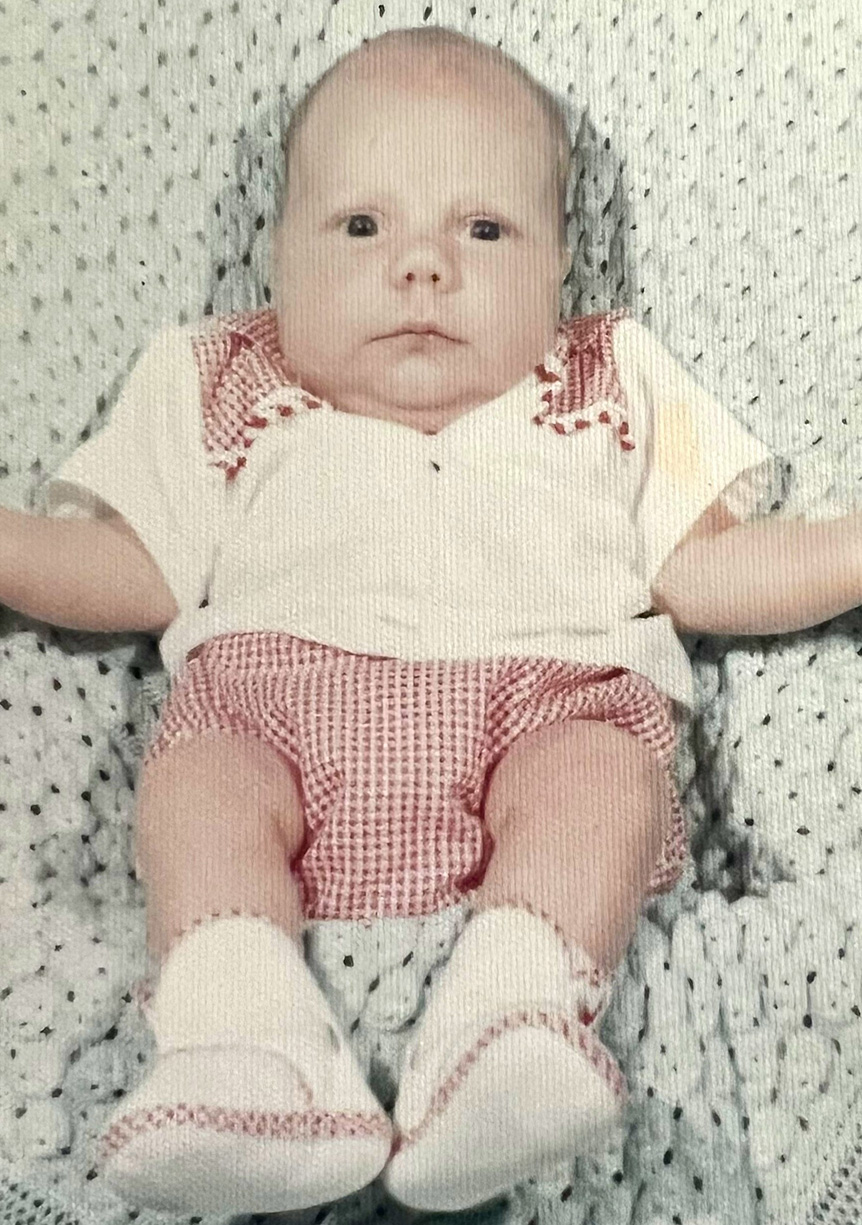
Once he was home, Carol remembers cutting diapers in half to fit Tony and trying to make do with clothes that were too big because preemie sizes weren’t available then.
“My dad’s thumb was bigger than Tony’s arm when we brought him home,” she shared.
It wasn’t long before Tony began to thrive, however. By the time he was 6 months old, he had reached the normal percentile range for height and weight. Tony’s development wasn’t delayed, either, and he began talking and walking earlier than average. Before he was a year old, Carol knew that Tony was going to far exceed Dr. Russell’s predictions.
Tony became a straight-A student and a strapping young man, eventually standing 6 feet 3 inches tall.
Carol marvels at how much maternity care has changed since 1970.
“Now fathers are in the delivery room, and there’s so much emphasis on skin-to-skin contact and bonding right from the start,” she said. “It makes a tremendous difference.”
Today, Carol is retired, having worked for 20 years at Russell House, a domestic and sexual violence service provider and shelter in Rolla, named in honor of the doctor who cared for a young mother and her tiny newborn so many years ago.
Carol continues to rely on Phelps Health, and she and her husband see their primary care providers, Rachel Feeler, NP-C, APRN, MSN and Pecos Coble, DO, respectively, at the Phelps Health Bond Building.
“We use Phelps Health for all of our healthcare,” she said. “It’s wonderful to have them right here, and they employ so many people in Phelps County.”
Your Stories Are Our Stories
For 75 years, Phelps Health has been part of life’s most important moments for families across our region. Explore our 75th anniversary celebration and discover stories, milestones and memories that have shaped our history.