

Published on March 19, 2026
Read Time: 5 Minutes
Three Things to Know
- Postpartum recovery is a gradual process that can take up to 12 weeks as the body heals from physical changes and significant hormonal shifts.
- While the “baby blues” are a common, temporary experience, postpartum depression is a more serious condition that affects 1 in 7 women and may require professional support.
- New mothers are encouraged to prioritize self-care, return to exercise slowly and reach out to their healthcare provider if they feel overwhelmed or have safety concerns.
The weeks after childbirth are full of adjustments. From hormone shifts to sleep changes, new mothers face many physical and emotional challenges.
Kelsey Knobbe, MD, an obstetrician and gynecologist (OB/GYN) at Phelps Health, answers key questions about postpartum recovery and when to seek help.
Many new mothers feel pressure to bounce back after childbirth, especially with what they see on social media. What is a realistic timeline for recovery after childbirth, and what should women expect in terms of healing?
While many women feel more like themselves by 6 weeks postpartum, the American College of Obstetricians & Gynecologists (ACOG) calls this time the “fourth trimester,” noting that it can take up to 12 weeks for the body to fully recover after childbirth. I always tell my new mothers to give themselves plenty of grace and time to heal. During this time, your body is undergoing many changes both physically and emotionally, including:
- Your uterus shrinks back to its pre-pregnancy size (up to 6 weeks).
- You might notice more frequent urination as you get rid of extra pregnancy fluid.
- After delivery, hormone levels—especially estrogen and progesterone—drop quickly. These hormonal changes can cause mood swings, often called the “baby blues,” and sometimes postpartum depression.
- Most women will have vaginal bleeding, called lochia, for up to 6 weeks. The bleeding gradually tapers off over time.
By your 6-week postpartum visit, most women are feeling better. But it’s normal if you don’t feel completely like yourself yet, since your body is still adjusting.
There's a lot of advice about returning to exercise after childbirth. What is the safest way to approach postpartum fitness?
I recommend walking first, for no more than 20–30 minutes at a light pace. If this feels OK, patients can gradually add moderate-intensity exercise over a couple weeks’ time. If you feel pain with exercise, you should stop and discuss this with your doctor or provider.
Exercise after delivery has several benefits, including:

- More energy
- Better sleep
- Less stress
- Weight loss
- Stronger muscles and bones
- Lower risk of postpartum depression
Timing for returning to exercise postpartum is highly variable:
For a Vaginal Delivery Without Complications:
Most women can resume light exercise within 3–7 days of birth if they feel ready.
For a Cesarean Section (C-Section) Without Complications:
Start light walking around 2–3 weeks postpartum, but delay lifting or strenuous exercise until after the 6-week postpartum visit.
In the Event of Complications:
For issues like postpartum hemorrhage, infection or other complications, discuss the return to exercise with your OB provider.
Normal Emotional Changes After Childbirth
Is it normal to feel overwhelmed after childbirth?
After childbirth, you’re going through major physical and emotional changes—and a big life shift. I remind my patients that it’s one of the most stressful life events, and it’s easy to underestimate how much daily life, schedules and relationships can change.
These changes are normal. It can take weeks or even months to adjust and settle into a routine. You don’t need to have everything figured out right away.
A woman's two primary responsibilities postpartum are to care for themselves and their newborns; everything else is extra and will come with time. It’s OK not to have all the answers or know what next week will look like.
I also remind my patients to give themselves grace during this transition. If you’re concerned about something, reach out to your OB/GYN or your baby’s pediatrician.
How is postpartum depression defined? What symptoms should mothers be aware of, and how can they differentiate between the "baby blues" and actual postpartum depression?
Postpartum or baby blues is a common, temporary experience after childbirth. It can cause sudden mood swings—feeling very happy one moment and very sad the next—and usually starts in the first week, peaking around days 3–5. It affects up to 85% of women after delivery. Unlike postpartum depression, it usually goes away on its own by 2 weeks and doesn’t interfere with caring for yourself or your baby.
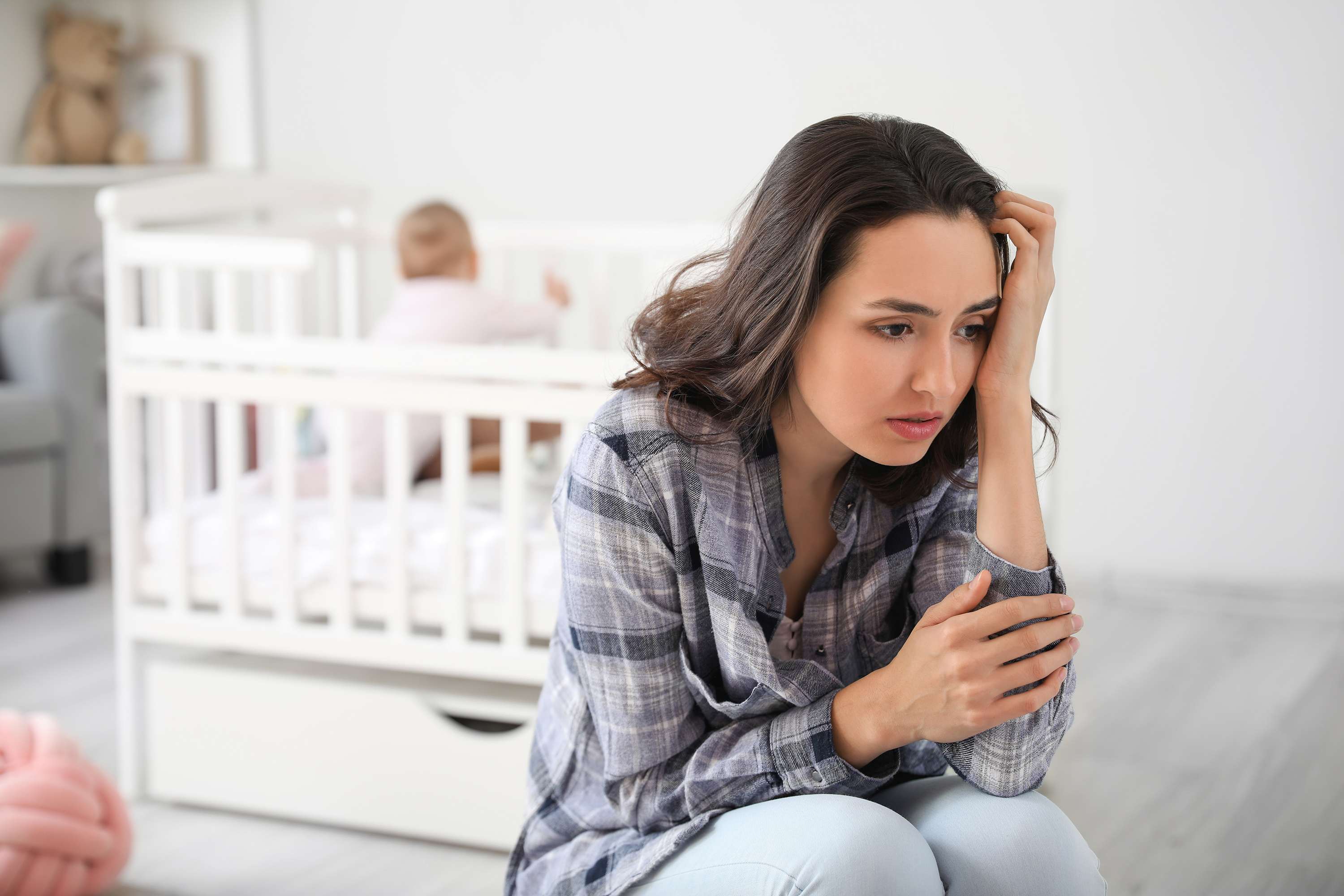
Postpartum depression is different. It is a type of depression that happens after birth and can affect the birth mother, as well as surrogates and adoptive parents. The hormonal, physical, emotional, financial and social changes that come with having a baby can trigger symptoms of postpartum depression.
Postpartum depression:
- Is more serious and longer-lasting than postpartum blues
- Can happen during pregnancy or within the first year after birth (most common in the first 3 months)
- Lasts more than 2 weeks
- Affects about 1 in 7 women
- Includes symptoms such as:
- Feelings of guilt, hopelessness or worthlessness
- Changes in sleep, appetite, energy or motivation
- Thoughts of self-harm or harming the baby
- Often makes daily tasks, including caring for yourself or your baby, very difficult
Can partners experience postpartum depression?
Yes. Both parents can develop symptoms of depression or anxiety after a baby is born. About 4% of partners experience postpartum depression in the first year, and they should seek care if symptoms arise.
When should you seek help?
- Contact your healthcare provider if symptoms worsen, feel severe or interfere with caring for yourself or your baby.
- Seek emergency care if you have thoughts of harming yourself or your baby.
- Your provider can be your OB/GYN, primary care doctor or provider, mental health provider, or your baby’s pediatrician.
Preventing and Treating Postpartum Depression
How can I prevent and treat postpartum depression?
Early screening
At Phelps Health, we track mood changes through the Edinburgh Postnatal Depression Scale (EPDS) during pregnancy, after delivery and at the postpartum visit. This helps identify those at higher risk for postpartum depression.
Steps to lower your risk:
- Build a strong support network and community.
- Join support groups or use counseling services.
- Learn about newborn care and what to expect in the first few weeks.
- Start gentle exercise early after delivery.
- Protect sleep whenever possible.
Treatment
There is no “one-size-fits-all” solution—what works for one person may not work for another.
Therapy
- Individual therapy can help with anxiety, fears and adjustment to parenthood.
- Therapy can also work well alongside other treatments.
Medication
- For persistent or severe postpartum depression, medication is often recommended.
- SSRI medications are the gold-standard.
- Zuranolone (FDA-approved in 2023) is taken orally for 14 days and can rapidly reduce symptoms, especially in severe cases.
If symptoms worsen or don’t improve, reach out to your provider.
Prenatal/Perinatal Depression
What is prenatal depression and how does it differ from postpartum depression?
There isn’t a formal term called “prenatal depression,” but perinatal depression describes depression that occurs during pregnancy or within the first year after childbirth.
Postpartum depression is a type of perinatal depression that happens after delivery, most often within 1–3 weeks, but it can occur anytime in the first year.
Treatment for perinatal and postpartum depression is often similar, including counseling or therapy and/or medication. SSRIs, like Zoloft, are commonly used because they are well-studied and considered safe in pregnancy.
We’re Here for You
If you’re feeling overwhelmed, sad or anxious after childbirth, reach out. Talk to your healthcare provider—support is available. Getting help early makes a real difference for you and your baby. Learn more here.